Crocodile
A living relic — and a surprisingly devoted parent
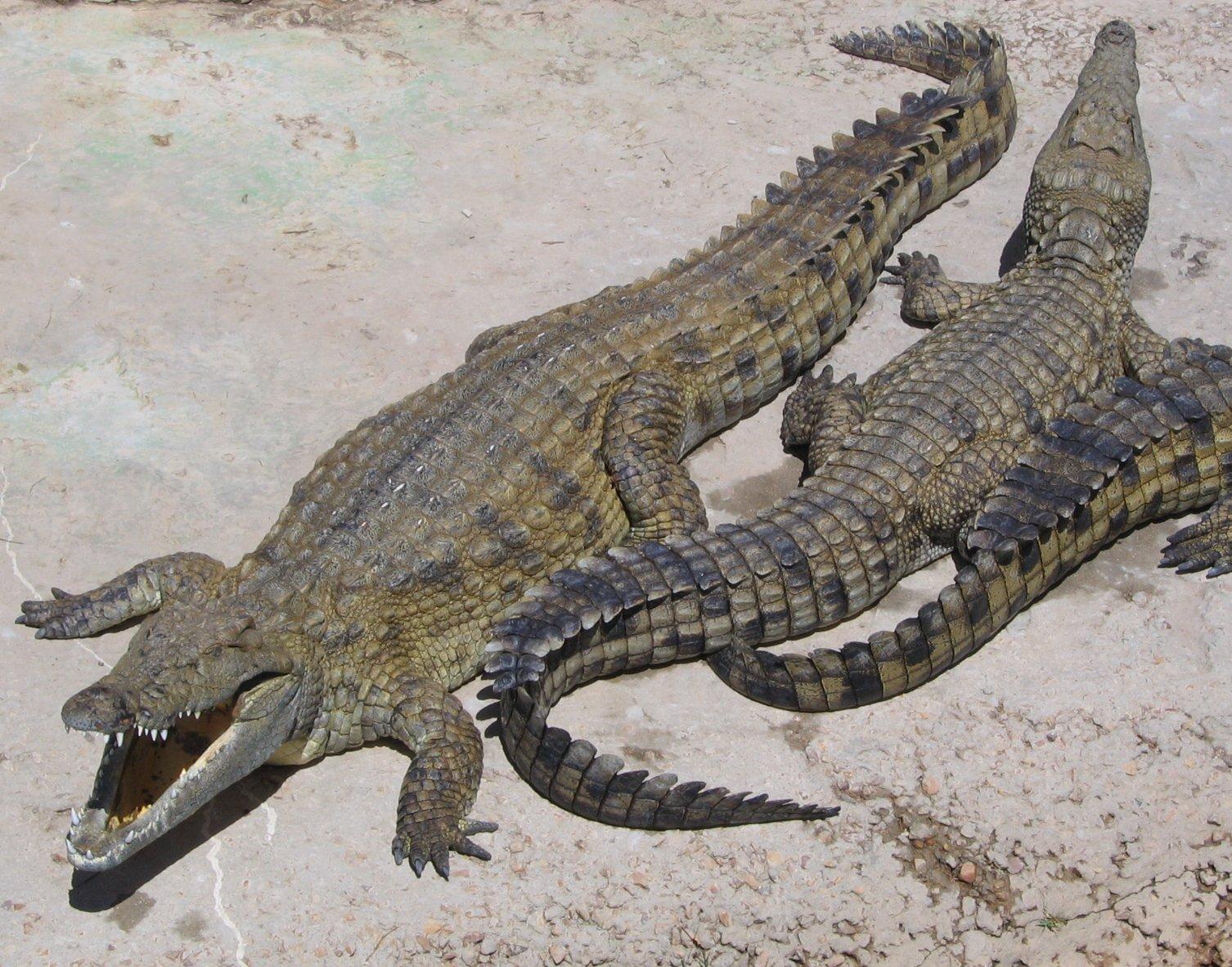
Photo via Wikimedia Commons
Overview
Crocodiles have changed very little in 200 million years, which says something profound about their design. They're apex predators in their habitats and warrant real respect — but they're also remarkably social, communicate in complex ways, and are among the most attentive parents in the reptile world.
Friendly fact
Nile crocodile mothers are extraordinarily tender with their eggs and hatchlings. They've been observed gently rolling eggs in their mouths to help hatchlings emerge, and guarding their young for months after hatching.
Fascinating facts
- 1
Crocodiles have the most sophisticated heart of any reptile — a four-chambered heart like birds and mammals, allowing efficient circulation during dives.
- 2
Mother crocodiles carry their hatchlings gently in their mouths, carefully transporting them to water after they hatch.
- 3
Crocodiles communicate through vibrations and infrasound — they make the water surface "dance" with vibrations as a courtship display.
- 4
A crocodile's bite force is among the strongest of any animal, but the muscles that open the jaw are remarkably weak — a rubber band can hold one's mouth shut.
- 5
Crocodiles are one of the few reptiles known to show play behavior, and have been observed giving rides to small otters and other animals.
Myth vs. Reality
Myth
Crocodiles are slow and lumbering.
Reality
On land crocodiles can sprint up to 12 mph in short bursts. In water they're extremely agile. Their deceptively still posture is a hunting strategy, not laziness.
Myth
Crocodiles are mindless ambush predators.
Reality
Crocodiles have been observed using sticks as lures during bird nesting season, placing them on their heads to attract nest-building birds. This is one of the few known examples of tool use in reptiles.
Myth
Crocodiles and alligators are the same thing.
Reality
They're related but distinct. Key differences: crocodiles have a more pointed snout and both upper and lower teeth visible when the mouth is closed; alligators have a wider U-shaped snout and only upper teeth visible.
🕸️ Food Web
Arrows show energy flowing from prey up to predator.
Eats
🛡️ No natural predators as an adult
Adult crocodiles are apex predators with no natural predators — though hatchlings are vulnerable to birds and other crocodiles.