Tick
Tiny, ancient, and easier to deal with than you think
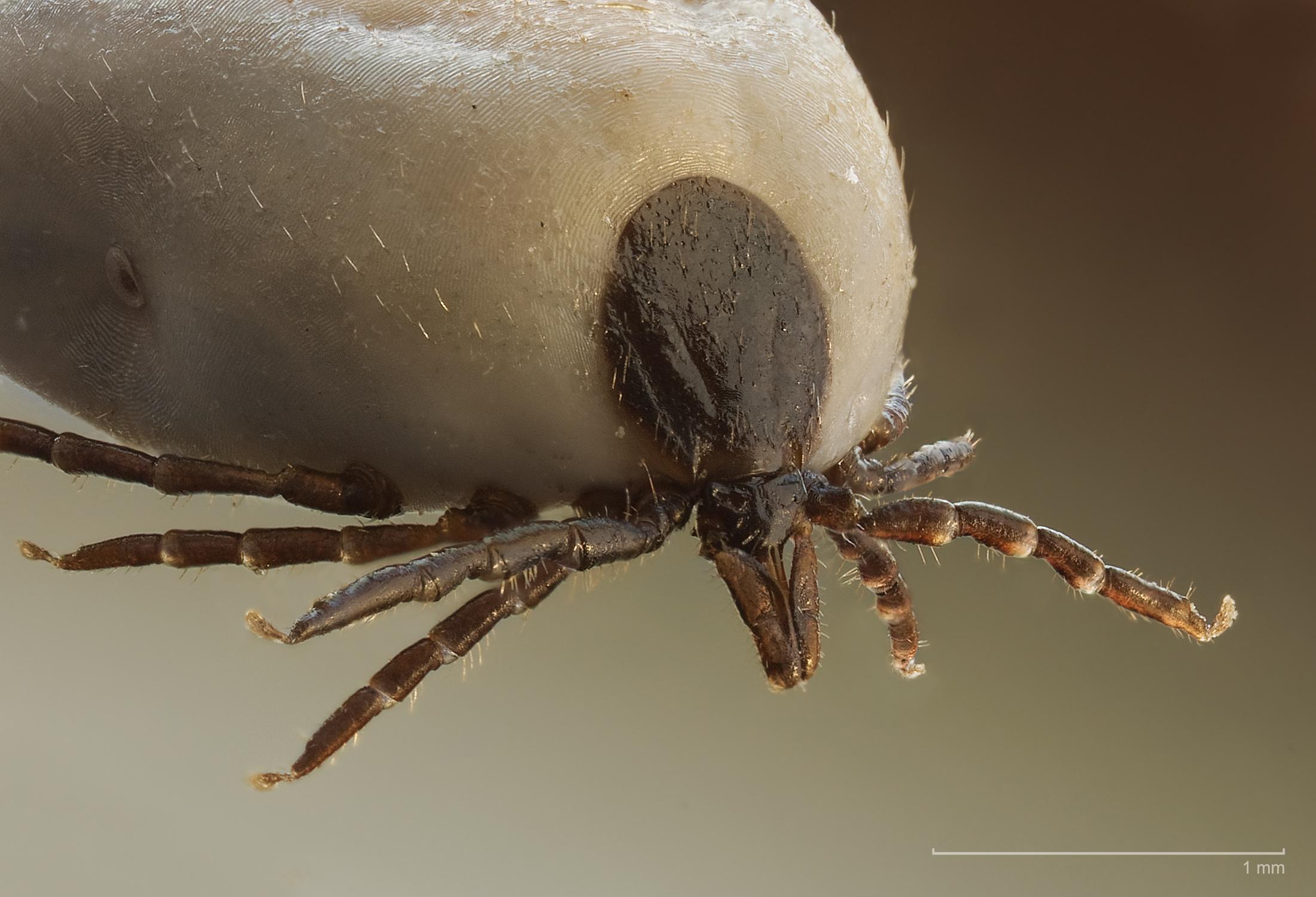
Photo via Wikimedia Commons
Overview
Ticks are among the most medically significant arachnids, capable of transmitting Lyme disease and other infections. But the fear they inspire often outpaces the actual risk — understanding how ticks work makes them far easier to manage.
Friendly fact
Tick saliva contains compounds that numb the skin and suppress the immune response — a remarkable biological engineering feat that researchers are studying for potential medical applications.
Fascinating facts
- 1
Ticks are arachnids, not insects — they're more closely related to spiders and scorpions than to beetles or flies.
- 2
A tick must usually be attached for 24–48 hours before it can transmit Lyme disease, making prompt removal highly effective prevention.
- 3
Ticks are important food sources for birds, amphibians, and some insects in the ecosystems where they live.
- 4
Ticks can survive months without a meal — adult deer ticks can go over a year between feedings.
- 5
Ticks don't jump or fly. They practice "questing" — climbing vegetation and reaching out with their front legs, waiting to grab a passing host.
Myth vs. Reality
Myth
You should burn a tick off or smother it with petroleum jelly.
Reality
This can cause the tick to regurgitate into the bite, increasing infection risk. The correct method is to grasp it close to the skin with fine-tipped tweezers and pull steadily upward.
Myth
Ticks fall from trees onto you.
Reality
Ticks live in leaf litter and low vegetation, typically below knee height. They climb upward on your body after attaching — they don't drop from above.
Myth
Every tick bite leads to Lyme disease.
Reality
Only blacklegged ticks (deer ticks) can transmit Lyme, and only if infected. Even in high-risk areas, fewer than half of deer ticks carry the bacterium.
🕸️ Food Web
Arrows show energy flowing from prey up to predator.
Eaten by
Eats
Ticks are a food source for birds and amphibians, even as they feed on larger animals themselves.