Wolf
The keystone predator that reshapes landscapes
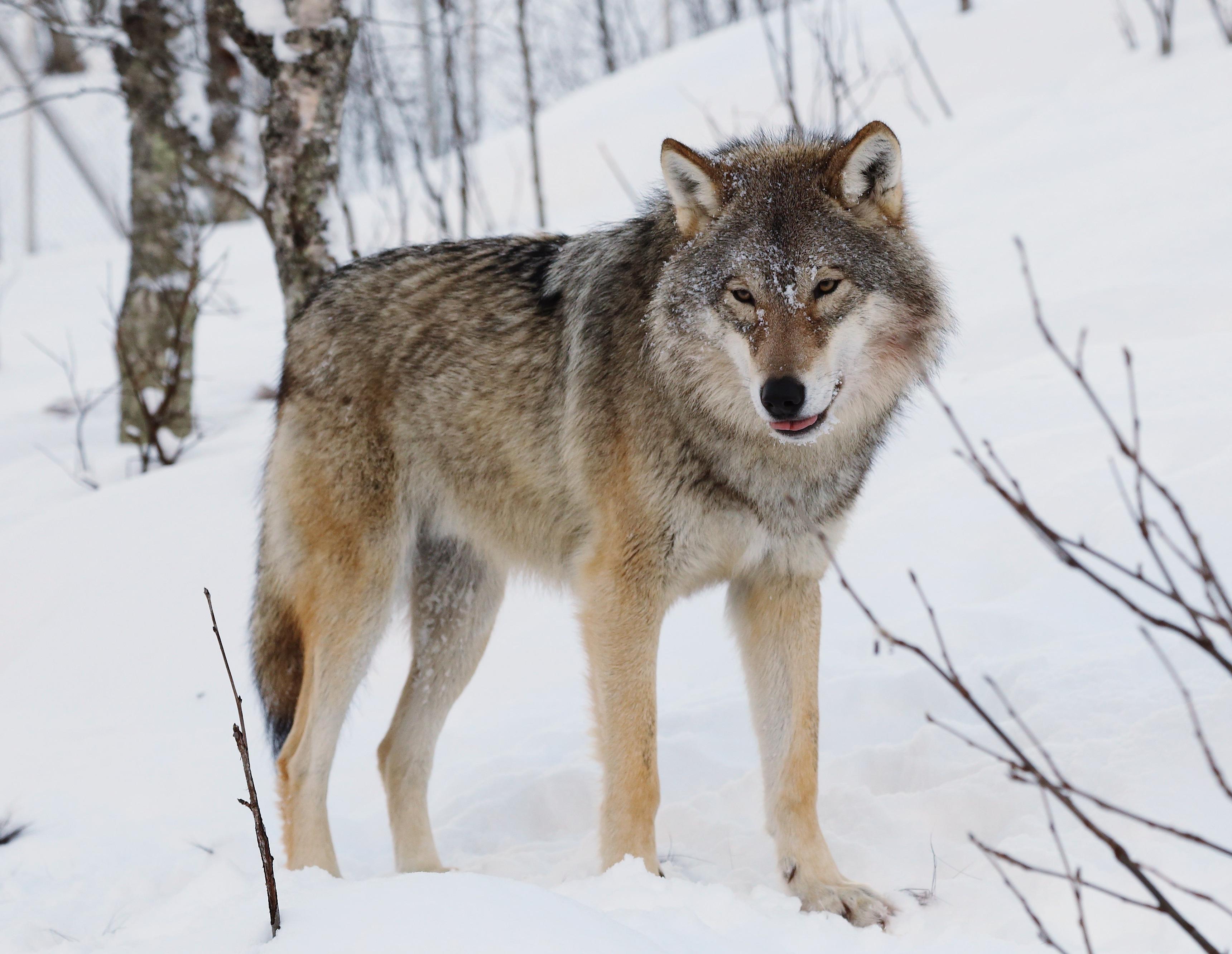
Photo via Wikimedia Commons
Overview
Wolves have been feared and exterminated across much of the world, yet science has shown they're essential to healthy ecosystems. When wolves were reintroduced to Yellowstone, they changed the course of rivers — a phenomenon called a "trophic cascade."
Friendly fact
Wolves play and wrestle regularly throughout their lives, and pack members have been observed comforting grieving members who have lost a companion.
Fascinating facts
- 1
When wolves were reintroduced to Yellowstone in 1995, they changed deer grazing patterns, which allowed trees to regrow along rivers, which stabilized riverbanks — wolves literally changed where rivers flow.
- 2
Wolves are highly social and live in family units with complex communication including howls, whines, and body language.
- 3
A wolf's howl can be heard up to 10 miles away and serves to communicate across distances.
- 4
Wolves mate for life and are deeply devoted parents.
- 5
There are virtually zero documented cases of healthy wild wolves attacking humans in North America.
Myth vs. Reality
Myth
Wolves are dangerous to humans.
Reality
Wild wolf attacks on humans are extraordinarily rare. In all of North American recorded history, there have been only two fatal wolf attacks — both involving habituated wolves.
Myth
Wolves decimate livestock herds.
Reality
Wolves kill a very small fraction of livestock in wolf range. Non-lethal deterrents like guard dogs and fencing are highly effective.
Myth
Wolves hunt constantly.
Reality
Wolves typically succeed in killing prey only 20% of the time they hunt. They spend most of their time traveling, resting, and socializing.
🕸️ Food Web
Arrows show energy flowing from prey up to predator.
Eats
🛡️ No natural predators as an adult
Adult wolves have no natural predators — as an apex predator, they help keep deer and elk herds healthy by culling the weak and sick.