Pangolin
The world's most trafficked mammal — over a million taken from the wild in the past decade
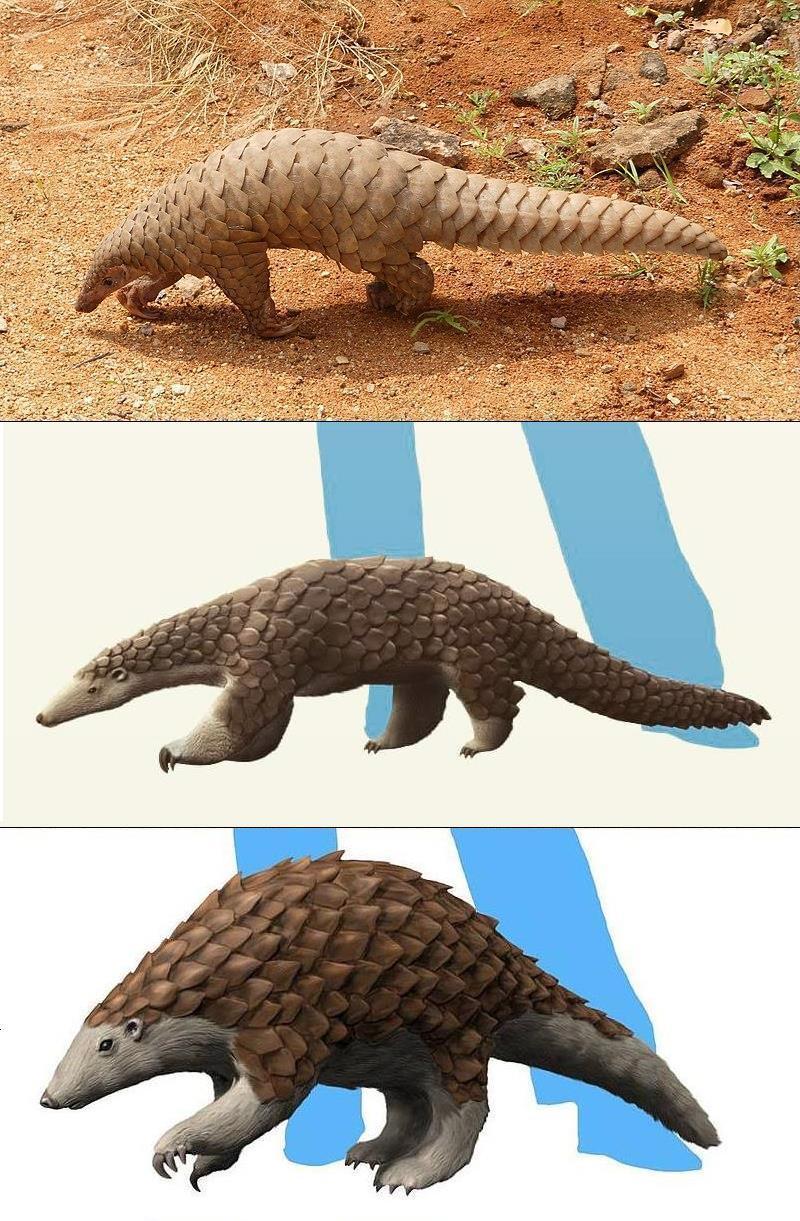
Photo via Wikimedia Commons
Population
Unknown — population data is almost nonexistent due to their secretive nature
Location
Sub-Saharan Africa and South and Southeast Asia (8 species across both regions)
Overview
Pangolins are the only mammals with scales — made of keratin, the same material as human fingernails. They're nocturnal, secretive insectivores that curl into a ball when threatened. They're also the most trafficked wild mammal on Earth: all eight species are under significant poaching pressure, driven by demand in Asian markets for their scales (used in traditional medicine) and meat (a luxury food). More than one million are estimated to have been taken from the wild in the decade to 2014 alone.
Why they're at risk
- !
Illegal trade driven by demand for pangolin scales in traditional Chinese medicine (where they're believed — without scientific support — to treat conditions from arthritis to cancer) and for meat as a luxury item.
- !
All eight species were uplisted to CITES Appendix I in 2016, banning international commercial trade — but illegal trafficking continues at enormous scale.
- !
Pangolins are extremely difficult to keep in captivity — most die within weeks of capture from stress, inappropriate diet, and disease. They cannot easily be bred as replacements for wild-caught animals.
- !
Habitat loss from deforestation across their African and Asian range reduces population density even in areas with lower poaching pressure.
Reasons for hope
- ✓
The 2016 CITES Appendix I listing gave all eight pangolin species the highest level of international protection available.
- ✓
China removed pangolin scales from its list of approved traditional medicine ingredients in 2020 — a significant step, though enforcement remains a challenge.
- ✓
Camera trap studies have begun documenting pangolin populations in areas previously considered locally extinct, suggesting populations persist in places surveys couldn't easily access.
- ✓
Pangolin conservation has become a cause with significant public engagement — World Pangolin Day (third Saturday of February) now generates substantial global media attention annually.