Vaquita
The world's rarest animal — fewer individuals than any other species, wild or captive
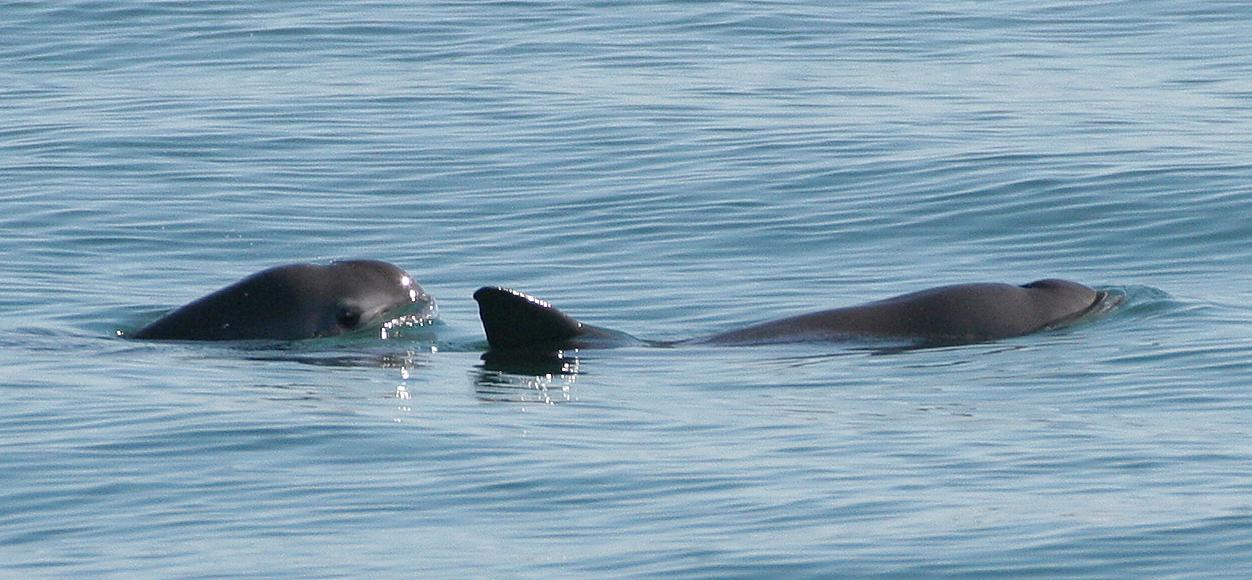
Photo via NOAA
Population
Fewer than 10 individuals
Location
Gulf of California, Mexico
Overview
The vaquita is a small porpoise found only in the northern Gulf of California. With fewer than 10 individuals remaining, it is the rarest animal on Earth — not just the rarest marine mammal, but the rarest of any species. Every other animal on the endangered list has more individuals in captivity alone than the vaquita has alive in total. First described by science in 1958, it may be gone within years. Despite emergency interventions, illegal gillnet fishing — primarily targeting the totoaba fish for its swim bladder — continues to entangle and drown vaquitas at a rate their tiny population cannot survive.
Why they're at risk
- !
Illegal gillnet fishing intended for the totoaba, a critically endangered fish whose swim bladder fetches enormous sums on the black market in China.
- !
Despite a gillnet ban in their habitat since 2017, illegal fishing continues with inadequate enforcement.
- !
Their extremely small population makes them vulnerable to inbreeding and chance events.
- !
Slow reproductive rate — females produce only one calf every two years.
Reasons for hope
- ✓
A 2023 survey confirmed vaquitas are still reproducing — calves have been spotted, meaning the species hasn't given up.
- ✓
The vaquita has never been successfully captured — every attempt to take one into protective custody has failed because the animals cannot survive the stress. It remains CR rather than EW entirely because individuals are still being seen alive in the wild. As far as anyone knows, it is not extinct.
- ✓
The Mexican Navy and conservation groups maintain active patrols in the vaquita refuge zone.
- ✓
International pressure has led to increased enforcement cooperation between Mexico and the US.
- ✓
A small but stable group has been observed consistently in one protected area of the Gulf.