Cat
The only pet that may have domesticated you
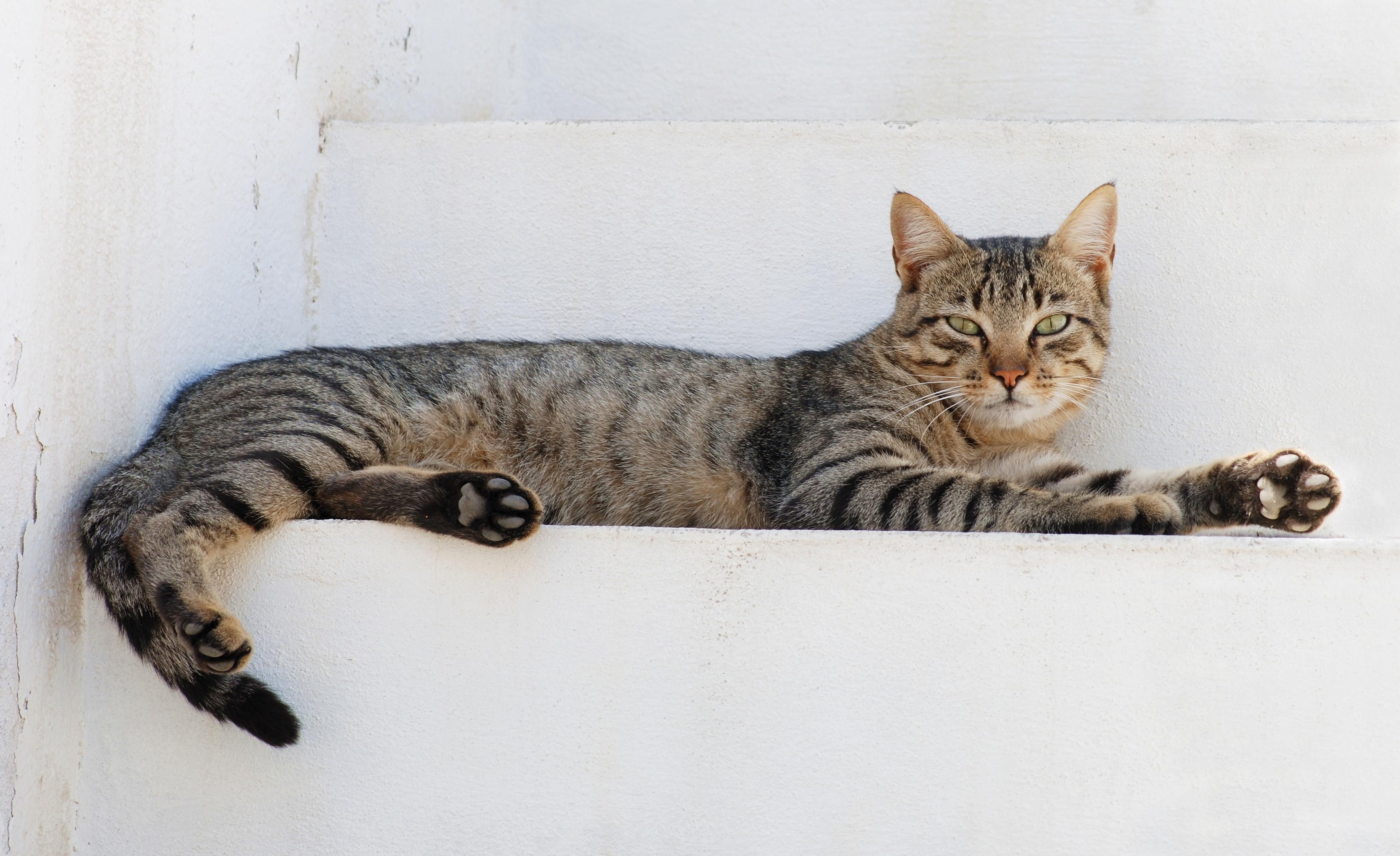
Photo via Wikimedia Commons
Cats have shared human spaces for at least 10,000 years, yet they remain deeply misunderstood. Unlike dogs, cats are not fully domesticated in the genetic sense — and several of their most familiar behaviors turn out to have been developed specifically to manipulate humans, not to communicate with other cats.
Facts you didn't know
- 1
The domestic cat's meow was developed specifically for communicating with humans. Adult cats almost never meow at each other — they reserve the vocalization almost exclusively for people. Each cat develops a unique meow tuned over time to be maximally effective on their specific human.
- 2
Cats cannot taste sweetness. They're one of the only mammals with a dysfunctional sweet-receptor gene — a mutation that makes sense for obligate carnivores who have no evolutionary need to detect carbohydrates.
- 3
A cat's purr vibrates at 25–150 Hz — the frequency range shown to promote bone density and soft-tissue healing, and the same range used in clinical vibration therapy. Cats purr when stressed or injured, not just when content — it may be physiological self-medication.
- 4
Domestic cats are the only species in the genus Felis that hold their tail upright as a social signal. Wild felids carry their tails horizontally or down. The upright tail greeting appears to have evolved specifically as a communication signal directed at humans.
- 5
Cats have a third eyelid — a nictitating membrane that sweeps horizontally across the eye. Visible when a cat is drowsy, it provides protection and moisture without blocking vision. Most humans have never noticed it despite living with cats for millennia.