Mosquito
The most consequential insect on Earth — for better and worse
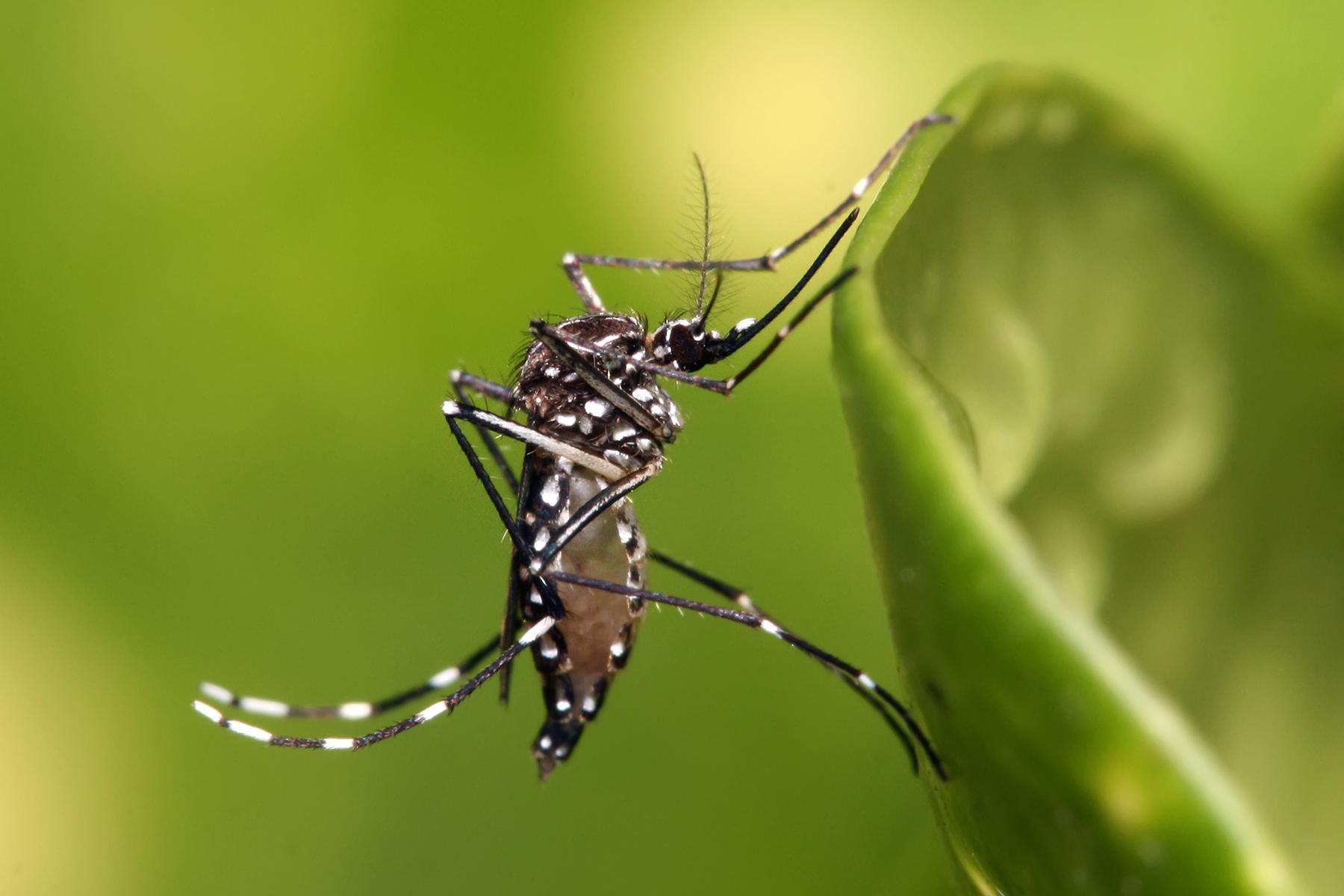
Photo via Wikimedia Commons
Overview
Mosquitoes are technically the deadliest animals on Earth due to the diseases they transmit. But that danger is concentrated in specific regions — and mosquitoes also play surprising ecological roles that many scientists argue we can't afford to ignore.
Friendly fact
Mosquitoes have existed for over 200 million years. They outlasted the dinosaurs — but the males spend their entire lives doing nothing but sipping nectar and pollinating flowers.
Fascinating facts
- 1
Only female mosquitoes bite — they need blood proteins to develop eggs. Males feed exclusively on nectar and plant sugars.
- 2
Mosquitoes pollinate certain plants, including some orchid species, and are an important food source for birds, bats, and fish.
- 3
A mosquito detects you using CO₂ you exhale, your body heat, and specific body chemicals — from up to 100 feet away.
- 4
Of roughly 3,500 mosquito species, only a few hundred are capable of transmitting diseases to humans.
- 5
Mosquito-transmitted malaria has shaped human genetics — the sickle cell trait, which provides partial malaria resistance, spread precisely because of it.
Myth vs. Reality
Myth
All mosquitoes carry disease.
Reality
Most mosquito species don't bite humans at all, and even disease-carrying species only transmit illness if they've previously bitten an infected host. In many regions, your local mosquitoes carry no human diseases.
Myth
Mosquitoes prefer certain blood types.
Reality
Research is mixed and inconclusive. Mosquitoes are primarily attracted to CO₂, heat, and sweat chemicals. The blood type story is largely oversimplified.
Myth
Eliminating all mosquitoes would be fine.
Reality
Mosquitoes are a critical food source for thousands of bird, bat, fish, and insect species. Their sudden elimination would likely cause serious ecological disruption.
🕸️ Food Web
Arrows show energy flowing from prey up to predator.