Spider
Nature's tiny pest controller
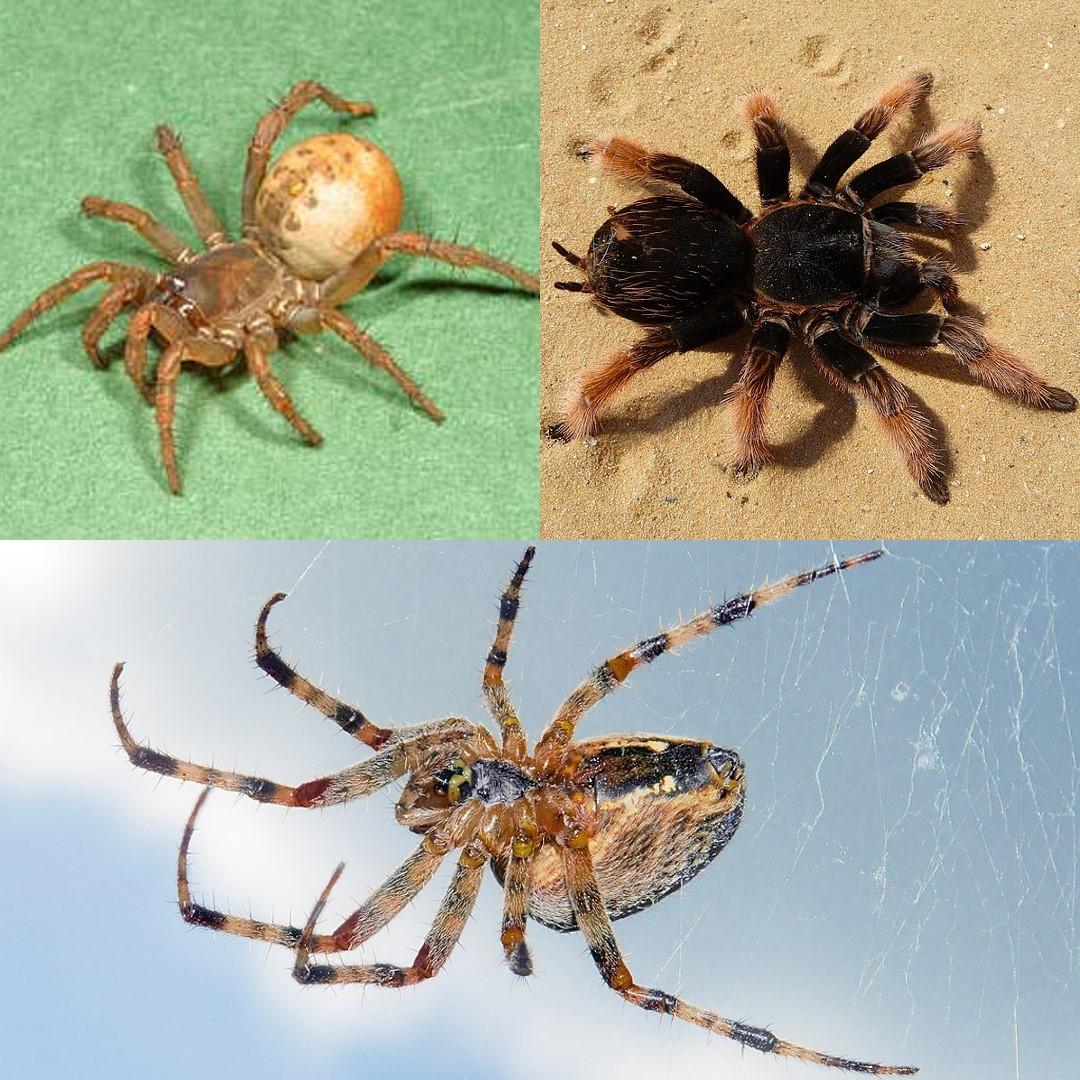
Photo via Wikimedia Commons
Overview
Spiders are found on every continent except Antarctica and play a critical role in keeping insect populations in check. Of the 45,000+ known species, only a handful pose any risk to humans.
Friendly fact
Jumping spiders have been known to recognize and remember individual human faces, and some seem to enjoy interacting with people.
Fascinating facts
- 1
Spiders eat an estimated 400–800 million tons of insects per year globally.
- 2
Most spider venom is too weak to cause any harm to humans — it's designed for tiny prey.
- 3
Spiders are nearsighted and usually detect you by vibration, not sight.
- 4
A spider's silk is, weight for weight, stronger than steel.
- 5
Jumping spiders have been observed showing curiosity toward humans and will sometimes "look" at a camera.
Myth vs. Reality
Myth
You swallow 8 spiders a year in your sleep.
Reality
This is completely false — a sleeping human is a terrifying environment for a spider. Snoring and body heat keep them far away.
Myth
All spiders are dangerous.
Reality
Of 45,000+ species, fewer than 30 have venom that can cause serious harm to a healthy adult.
Myth
Spiders are insects.
Reality
Spiders are arachnids, not insects. They have 8 legs (insects have 6) and 2 body parts (insects have 3).
🕸️ Food Web
Arrows show energy flowing from prey up to predator.