Cockroach
350 million years of survival — and counting
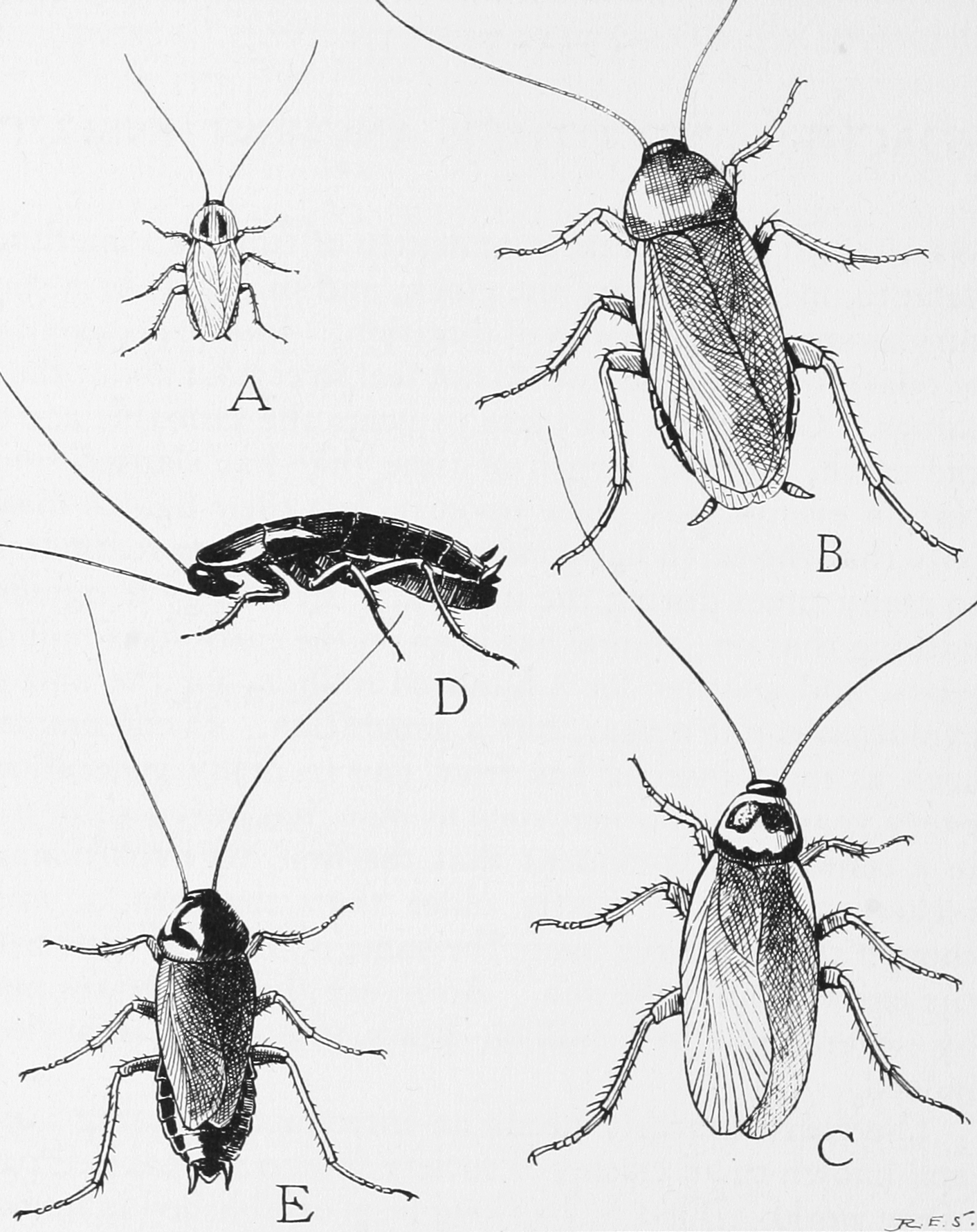
Photo via Wikimedia Commons
Overview
Cockroaches have been on Earth since before the dinosaurs, and their resilience is genuinely extraordinary. But the shudder they trigger is almost entirely cultural — most species never enter human homes, and even common ones pose far less danger than their reputation suggests.
Friendly fact
Madagascar hissing cockroaches are kept as pets around the world. They're clean, docile, hiss by pushing air through breathing holes in their sides, and some people find them genuinely endearing.
Fascinating facts
- 1
Of roughly 4,600 cockroach species, only about 30 are associated with human habitats. The other 4,570+ live in forests and have nothing to do with us.
- 2
Cockroaches can run at speeds of up to 3 mph — fast for their size — and can change direction 25 times per second.
- 3
A cockroach can survive being submerged underwater for up to 30 minutes.
- 4
Cockroaches are important decomposers in forest ecosystems, breaking down organic matter and recycling nutrients.
- 5
A cockroach's brain is distributed throughout its body — it can survive for weeks without its head, dying only when it runs out of water.
Myth vs. Reality
Myth
Cockroaches would survive a nuclear war.
Reality
Cockroaches are more radiation-resistant than humans, but they're not invincible. They'd die at radiation levels found near a nuclear blast. The myth is exaggerated — they just handle radiation somewhat better than us.
Myth
Cockroaches mean your home is filthy.
Reality
Cockroaches are attracted to food, warmth, and water — conditions found in virtually any home. Even spotlessly clean houses can get them. Their presence is about access, not cleanliness.
Myth
Cockroaches bite people.
Reality
Cockroaches almost never bite humans. They're prey animals that spend most of their energy hiding from us. Bites, if they occur at all, happen only in situations of extreme infestation.
🕸️ Food Web
Arrows show energy flowing from prey up to predator.